
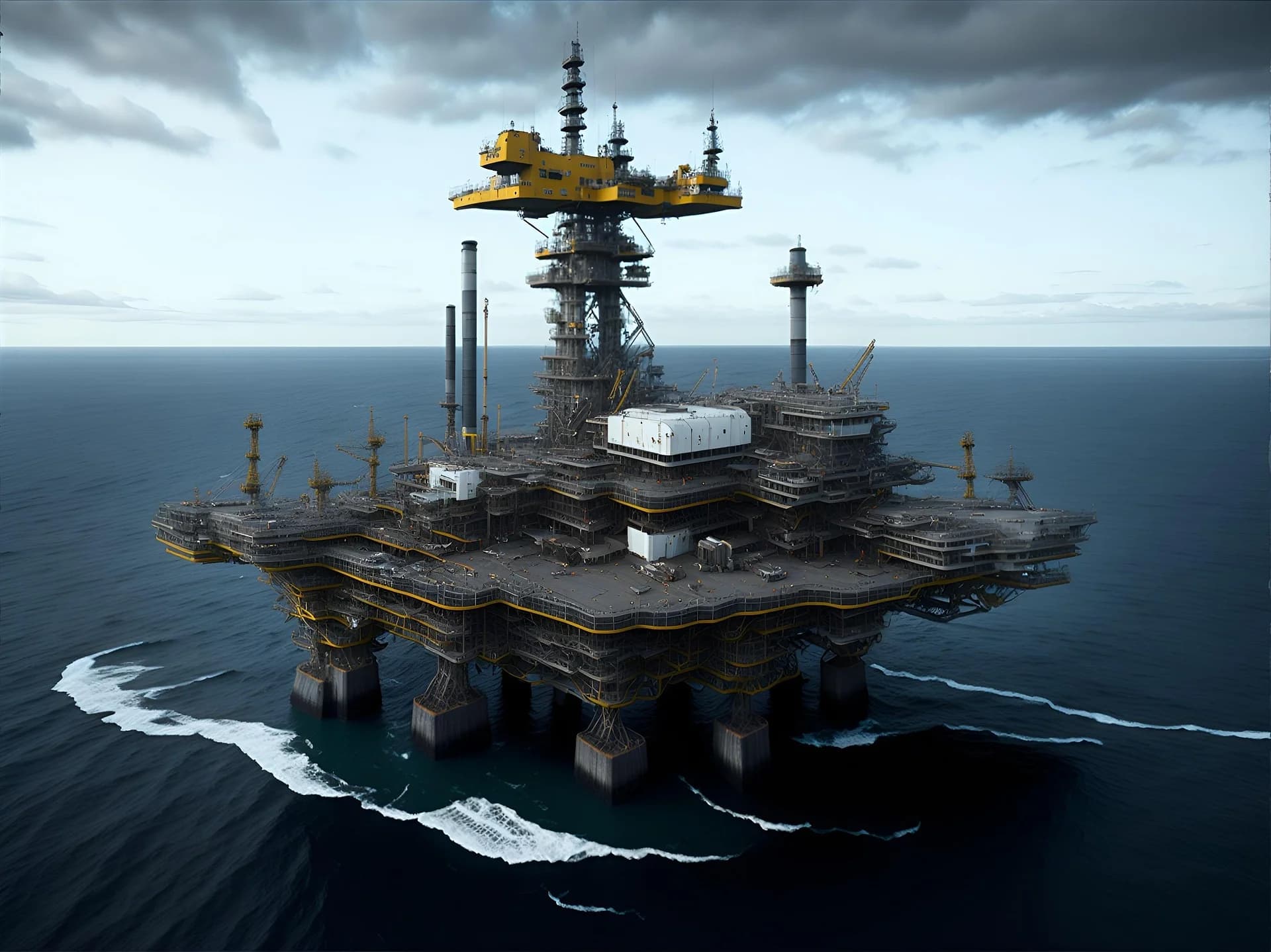
The maritime industry is undergoing a significant transformation as sustainability becomes an essential pillar of offshore operations. With rising environmental concerns, stricter regulatory frameworks, and a global push for decarbonization, companies operating in offshore environments are rapidly adapting to greener technologies. The shift is not just about meeting compliance requirements; it is about securing a competitive advantage, improving operational efficiency, and ensuring long-term viability in a rapidly evolving sector.
The Growing Importance of Sustainability in Offshore Operations
Sustainability in offshore operations extends beyond regulatory adherence. It is a fundamental shift toward responsible business practices that reduce environmental impact while maintaining profitability. Companies adopting green technologies are experiencing benefits such as reduced fuel costs, enhanced brand reputation, and stronger stakeholder confidence. Governments and international organizations are increasingly incentivizing sustainable practices, making it even more attractive for businesses to invest in eco-friendly technologies.
Key Innovations Driving Change
Several groundbreaking technologies are driving the shift towards greener offshore operations. These innovations are making sustainability not just an ideal but a practical and cost-effective reality:
- Electric and Hybrid Propulsion Systems: Traditional diesel-powered vessels and offshore platforms are being replaced or retrofitted with electric and hybrid propulsion systems. These systems significantly reduce fuel consumption and emissions while offering improved energy efficiency.
- Renewable Energy Integration: Solar panels and wind turbines are being integrated into offshore platforms to supplement energy needs. These renewable sources help decrease dependency on fossil fuels, reducing operational costs and environmental impact.
- Advanced Waste Management Systems: Offshore operations generate considerable waste, from oil spills to plastic and chemical residues. Cutting-edge waste management systems—including waste-to-energy solutions, biodegradable materials, and advanced filtration technologies—are helping minimize ecological damage.
- Carbon Capture and Storage (CCS) Technology: CCS technology is being increasingly deployed in offshore operations to capture and store CO₂ emissions, significantly mitigating environmental impact and helping companies comply with stringent carbon reduction goals.
- AI and IoT for Energy Efficiency: The use of artificial intelligence (AI) and the Internet of Things (IoT) is revolutionizing offshore operations. Smart sensors, predictive maintenance, and real-time data analysis are optimizing fuel usage, reducing emissions, and improving efficiency.
Economic Benefits of Going Green
While the initial investment in green technologies may seem substantial, the long-term financial and operational benefits far outweigh the costs. Companies embracing sustainability are reaping significant advantages, including:
- Reduced Fuel Consumption: The transition to hybrid and electric systems, along with optimized energy use, leads to substantial fuel savings.
- Lower Maintenance Costs: Modern, energy-efficient systems require less maintenance and have longer operational lifespans, reducing downtime and associated costs.
- Regulatory Compliance and Incentives: With stricter international regulations such as the IMO's carbon reduction targets, companies adopting green technologies ensure compliance while taking advantage of tax breaks and government incentives.
- Enhanced Market Competitiveness: Businesses that demonstrate a commitment to sustainability are increasingly preferred by investors, customers, and partners, leading to improved business opportunities.
- Improved Public Perception: A strong environmental stance enhances a company's reputation, fostering greater trust and brand loyalty among stakeholders and the general public.
The Road Ahead
The transition to sustainable offshore operations requires careful planning, strategic investment, and ongoing innovation. Collaboration between industry leaders, governments, and environmental organizations will be crucial in accelerating the adoption of green technologies. As the maritime industry continues to evolve, those who embrace sustainability will be best positioned for long-term success.
By investing in cutting-edge solutions today, offshore companies can secure a cleaner, more efficient, and economically viable future, ensuring they remain ahead in an industry where sustainability is no longer optional but imperative.