
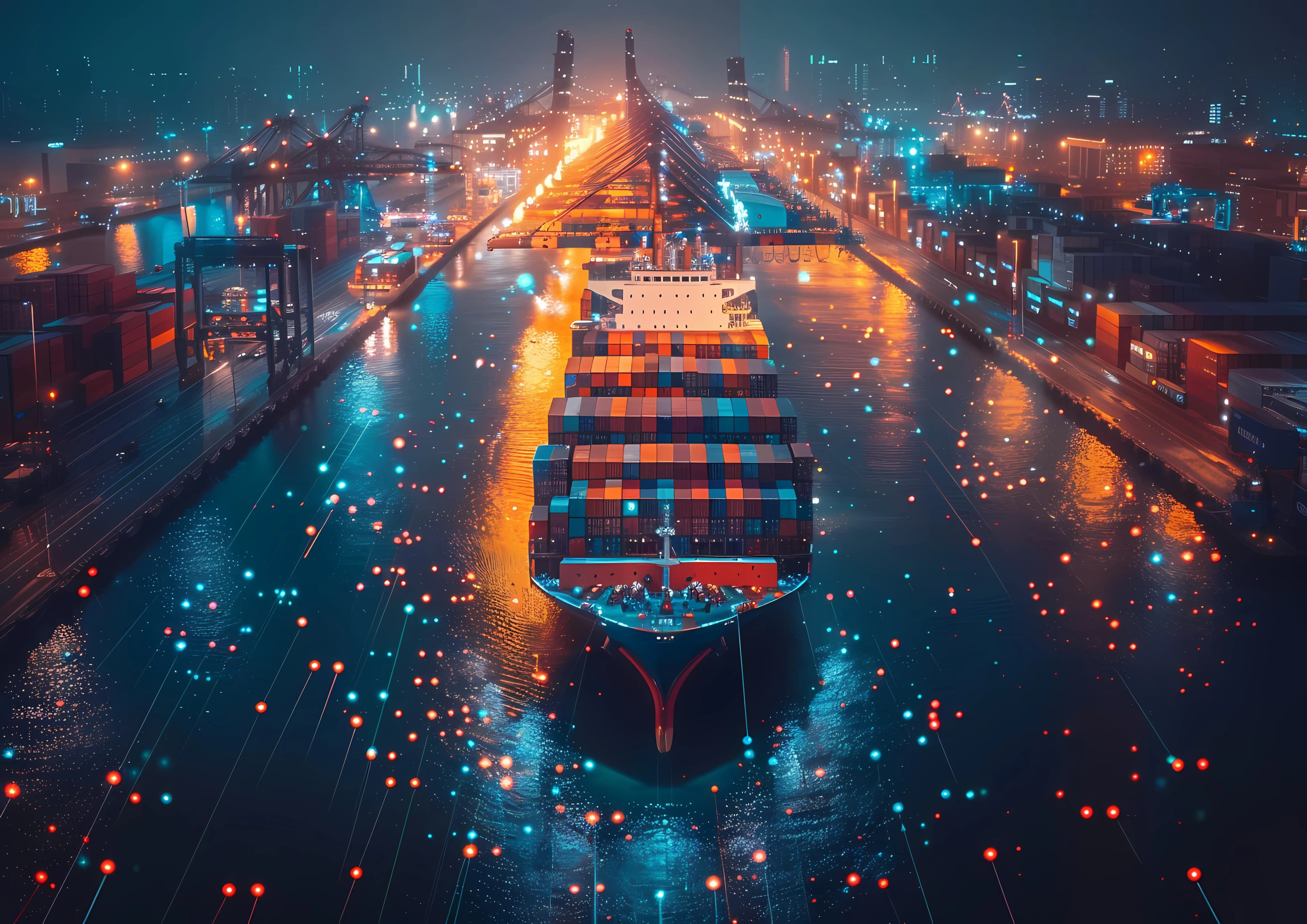
The maritime industry is undergoing a digital transformation, with big data and artificial intelligence (AI) playing a crucial role in optimizing operations, improving efficiency, and reducing costs. AI-driven solutions enhance predictive analytics, automate decision-making, and streamline logistics, making maritime operations smarter and more resilient.
Optimizing Vessel Routing and Cargo Handling
AI and big data analytics enable real-time monitoring and optimization of vessel movements and cargo management, leading to:
- Fuel Efficiency Improvements: AI-powered route optimization considers weather patterns, ocean currents, and fuel consumption rates to determine the most efficient paths.
- Port Congestion Reduction: Predictive analytics help shipping companies anticipate delays and adjust schedules accordingly, minimizing idle time.
- Automated Cargo Management: Smart sensors and AI-driven systems enhance the tracking and placement of cargo, reducing handling time and minimizing damage risks.
The Impact of Predictive Analytics on Maintenance and Risk Management
Traditional maintenance schedules often rely on fixed intervals, leading to unnecessary repairs or unexpected breakdowns. AI-driven predictive maintenance offers a proactive approach by:
- Detecting Early Signs of Equipment Failure: IoT sensors collect real-time data on engine performance, hull integrity, and fuel efficiency, enabling timely interventions.
- Reducing Downtime and Repair Costs: AI-driven diagnostics allow operators to plan maintenance activities more efficiently, minimizing operational disruptions.
- Enhancing Safety Measures: AI-powered risk assessments predict potential hazards, such as extreme weather conditions or mechanical failures, enabling preemptive safety measures.
The Future of Autonomous Shipping and AI-Powered Port Operations
The integration of AI in maritime logistics is paving the way for the development of autonomous shipping and smart ports. Key advancements include:
- Autonomous Vessels: AI-driven navigation and decision-making systems allow ships to operate with minimal human intervention, improving safety and reducing human errors.
- Smart Ports: AI-enabled port management systems enhance vessel scheduling, automate cargo loading/unloading, and optimize berth allocation, leading to faster turnaround times.
- Blockchain Integration: Combining AI with blockchain enhances supply chain transparency, reducing fraud, improving documentation efficiency, and facilitating seamless customs clearance.
Challenges and Considerations
Despite its transformative potential, the adoption of AI and big data in maritime logistics comes with challenges:
- High Implementation Costs: Advanced AI systems require significant investment in infrastructure, software, and personnel training.
- Cybersecurity Risks: Increased reliance on digital technologies exposes shipping companies to cyber threats, necessitating robust security measures.
- Regulatory and Ethical Concerns: Autonomous ships raise questions about liability, crew employment, and regulatory compliance, requiring international policy frameworks to adapt accordingly.
Conclusion
AI and big data are revolutionizing maritime logistics, offering unprecedented opportunities to enhance efficiency, reduce costs, and improve sustainability. Companies that invest in digital transformation will gain a competitive edge in an increasingly automated and data-driven industry. By embracing AI-driven solutions, the maritime sector can navigate future challenges while ensuring safer, more efficient, and environmentally friendly operations.